AMMON
SON OF LOT, MORAL COLLAPSE OF THE NEXT GENERATION (Genesis 19:38)
Biblical Identity and Primary References
Ammon, also called Ben-Ammi, meaning “son of my people,” was the younger son born to Lot through Lot’s younger daughter after the destruction of Sodom and Gomorrah (Gen 19:38). Though Ammon appears only briefly in Genesis, his name becomes historically significant as the ancestor of the Ammonites, a nation frequently mentioned throughout the Old Testament. Ammon’s identity is defined less by personal deeds and more by his origin and the long moral and spiritual consequences that flowed from it.
Historical and Cultural Background
Ammon was born in the aftermath of divine judgment. His family had narrowly escaped the destruction of Sodom, a city condemned for grave moral corruption. In the ancient Near Eastern world, survival and lineage were paramount, and fear of extinction often drove desperate actions. Yet Scripture places Ammon’s birth in stark contrast to the covenantal line of promise, showing how fear and moral compromise can shape generations outside God’s saving plan.
Detailed Biblical Biography
Ammon’s father Lot was the grandson of Terah and nephew of Abraham, placing Ammon within the extended family of the covenant. Lot once walked closely with Abraham but gradually separated from him, choosing the fertile plains near Sodom (Gen 13:10–12). This decision exposed Lot and his family to corrupt influences that ultimately shaped their future.
After God destroyed Sodom and Gomorrah, Lot and his two daughters fled to the mountains and lived in a cave (Gen 19:30). Believing that no future remained for them and acting out of fear rather than faith, Lot’s daughters devised a plan to preserve offspring through incest. Lot, intoxicated and passive, became complicit. From this morally disordered act, Ammon was conceived and born. Genesis records his birth with deliberate brevity and without any divine endorsement, underscoring the gravity of the act and its consequences.
Biblical References Across Scripture
While Ammon himself is mentioned only in Genesis 19:38, his descendants, the Ammonites, appear frequently throughout Scripture. They opposed Israel during the period of the Judges (Judg 10–11), threatened Israel under King Saul (1 Sam 11), and warred against David (2 Sam 10). Because of their hostility and corrupt practices, Ammonites were excluded from the assembly of the Lord (Deut 23:3).
Spiritual and Moral Significance
Ammon’s origin highlights a central biblical truth: proximity to righteousness does not guarantee righteousness. Though related to Abraham, Ammon’s birth was shaped by fear, despair, and moral compromise rather than trust in God. His story illustrates how failure to respond faithfully after divine rescue can lead to deeper moral collapse in the next generation.
The Ammonites: Ammon’s Descendants
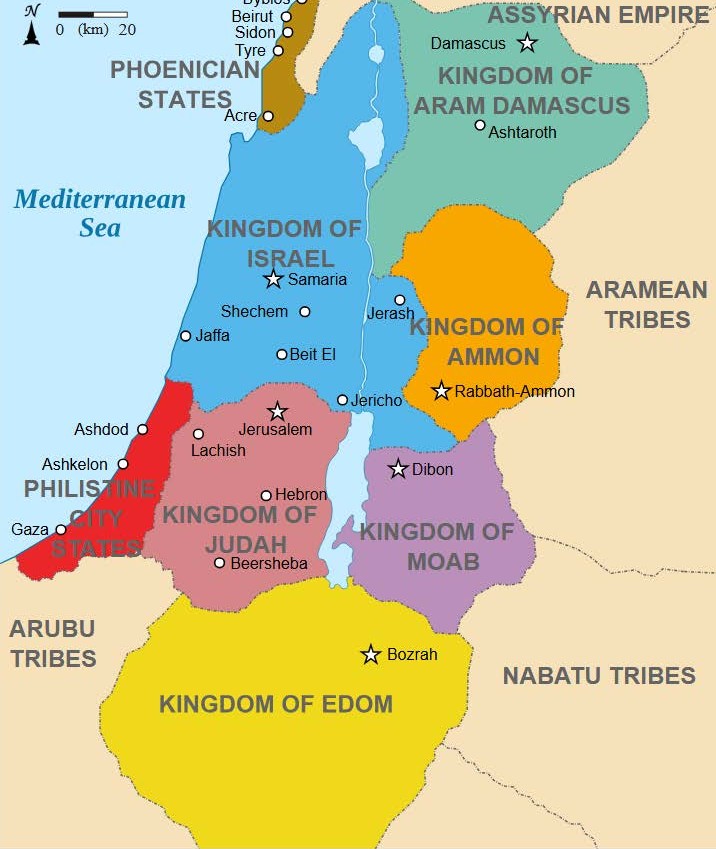
Ammon became the father of the Ammonites, who settled east of the Jordan River. Over time, they developed a national identity marked by idolatry and hostility toward Israel. Notably, they practiced the worship of Molech, which involved child sacrifice (1 Kgs 11:7). The corruption present at Ammon’s conception echoed in the spiritual life of his descendants, revealing how sin can reproduce itself across generations.
What Makes Ammon Unique
Ammon is unique because his biblical importance lies almost entirely in his origin and legacy rather than in recorded personal actions. He represents a generation born out of moral collapse following divine judgment. Unlike Isaac, whose birth came from faith in God’s promise, Ammon’s birth came from fear and human manipulation. He embodies the generational consequences of unrepented sin.
Jewish Historical and Traditional Understanding
In Jewish tradition, Ammon symbolizes the tragic outcome of Lot’s gradual separation from Abraham and his failure to fully reject corrupt environments. Rabbinic reflections often emphasize Lot’s passivity and drunkenness as cautionary examples of compromised righteousness leading to lasting harm.
Catholic Interpretation and Teaching
Catholic theology understands Ammon’s story as a sober illustration of moral responsibility and the social consequences of sin. While Ammon himself is not personally condemned for his origin, Scripture shows that sinful choices affect families and nations. His story reinforces the Catholic teaching that grace must be embraced actively, especially after moments of rescue and mercy.
Connection to Salvation History
Ammon stands outside the covenant line through which God would bring salvation. His lineage contrasts with the line of promise that leads from Abraham to David and ultimately to Christ. This contrast sharpens the biblical emphasis on faith, obedience, and trust in God’s plan.
Typology and Biblical Contrast (When Applicable)
Ammon functions typologically as a contrast figure. His birth resulted from fear after judgment; new life in Christ comes from faith after redemption. Ammon represents life shaped by despair and human calculation, while the Gospel proclaims life shaped by hope and divine grace.
Fulfillment in Jesus Christ
The tragedy represented by Ammon finds its answer in Jesus Christ. Where Ammon’s lineage emerged from moral collapse, Christ inaugurates a new family born not of human will but of God’s grace. In Christ, generational wounds are healed and destructive patterns are broken through repentance and faith.
Strengths and Limitations
Scripture records no virtues or deeds of Ammon himself. His life reminds readers that individuals may be born into brokenness without personal guilt, yet still live within the consequences of inherited sin.
Lessons for Christian Leadership and Discipleship
Ammon’s story warns that decisions made in fear rather than faith can damage future generations. Moral compromise, especially among parents and leaders, multiplies its harm beyond the present moment. Christian leaders are called to trust God even after catastrophe and to guide the next generation with courage, clarity, and moral integrity.
Reflection
Ammon’s brief appearance in Scripture speaks powerfully. His life reminds believers that survival alone is not salvation and that rescue from judgment must lead to repentance and renewed trust in God. Without conversion, rescued lives can still give rise to future ruin. Ammon challenges Christians to break cycles of fear and compromise and to build faith-filled legacies.
Prayer
Heavenly Father, You are just and merciful and attentive to the choices that shape generations; grant us the grace to trust You in moments of fear, to reject moral compromise, and to lead our families and communities in faith and integrity, so that through Christ we may break destructive patterns and build a future rooted in Your truth and life-giving love. Amen.