JESUS AND THE PROPHETS
THE FULFILLMENT OF PROPHETIC HOPE
(Mt 16:13–14; Jn 1:21; Jn 4:19; Jn 6:14; Lk 7:16; Heb 1:1–2)
Biblical Identity and Primary References
Jesus of Nazareth was often identified by the people of His time as a prophet or as the return of one of the great prophets of Israel. When Jesus asked His disciples at Caesarea Philippi, “Who do people say that the Son of Man is?” they replied, “Some say John the Baptist, others Elijah, still others Jeremiah or one of the prophets” (Mt 16:13–14). This shows that public perception placed Jesus firmly within Israel’s prophetic tradition. The Jewish people expected God to speak again through a prophet, as He had done through Moses, Elijah, and Jeremiah (Deut 18:15; Mal 3:23; Jer 1:4–10). Major references to Jesus as prophet include Jn 4:19; Jn 6:14; Lk 7:16; Jn 7:40; Jn 9:17.
Historical and Cultural Background
In first-century Judaism, prophets were seen as God’s chosen spokespersons—men who confronted sin, called for repentance, interpreted history, warned of judgment, and promised restoration. The prophetic voice had largely been silent for centuries, creating intense expectation for its return. There was also a belief that the spirit or mission of a past prophet could reappear in a new figure. This explains why people speculated that Jesus was John the Baptist raised from the dead, Elijah returned, or Jeremiah reborn. The people were not merely guessing randomly—they were interpreting Jesus through the categories of their sacred memory.
Detailed Biblical Biography: Jesus in Relation to the Prophets
Jesus and John the Baptist: John prepared the way for Jesus by preaching repentance and baptizing in the Jordan (Mt 3:1–6). His violent death at the hands of Herod Antipas caused some to think that his spirit had returned in Jesus. Both preached repentance (Mt 3:2; Mt 4:17), both baptized in the Jordan (Jn 3:23; Jn 4:1–2), both gathered disciples, both criticized corrupt religious leaders (Mt 3:7; Mt 23), and both faced mortal danger. Herod himself said, “This man is John the Baptist. He has been raised from the dead” (Mt 14:2). Unlike Jesus, John performed no miracles (Jn 10:41), lived a Nazirite-style life (Lk 1:15), and constantly pointed away from himself toward Christ (Jn 1:29–30).
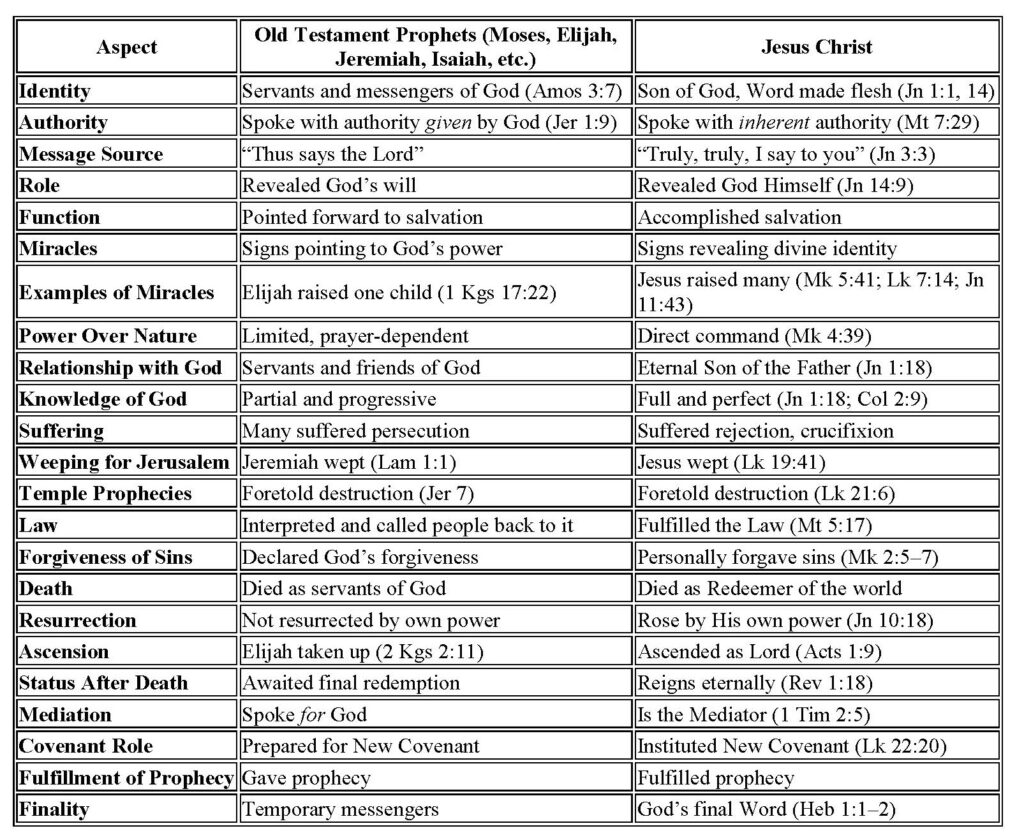
Jesus and Elijah: Elijah was known for miracles, raising the dead, multiplying food, and confronting corrupt rulers. Jesus performed even greater signs. Elijah raised a widow’s son (1 Kgs 17:17–24); Jesus raised multiple dead (Mk 5:22–43; Lk 7:11–15; Jn 11:1–44). Elijah multiplied food (1 Kgs 17:7–16); Jesus fed multitudes (Mt 14:13–21; 15:32–39). Elijah confronted wicked kings; Jesus confronted corrupt authorities. Elijah ascended without dying (2 Kgs 2:11); Jesus ascended after Resurrection (Acts 1:9). Malachi prophesied Elijah’s return before the Day of the Lord (Mal 3:23 / 4:5). Jesus clarified that John the Baptist fulfilled this role (Mt 11:14; 17:10–13), though many still wondered whether Jesus Himself was Elijah returned.
Jesus and Jeremiah: Jeremiah and Jesus shared deep emotional and prophetic similarities. Both were rejected by their own people (Jer 20:1–2; Jn 1:11), both were persecuted by religious authorities, both foretold the destruction of Jerusalem and the Temple (Jer 7:1–15; Lk 19:41–44), both wept over Jerusalem, Jeremiah was called the “weeping prophet,” and Jesus openly wept (Jn 11:35; Lk 19:41; Heb 5:7). Jeremiah predicted the Temple’s destruction in 586 BC; Jesus predicted its destruction in AD 70—both fulfilled. Some Jewish traditions held that Jeremiah would return before the Messiah (2 Esdras 2:18; 2 Macc 2:4–8), which explains why some identified Jesus with him.
References in Other Parts of the Bible
The New Testament repeatedly affirms Jesus as a prophet—but more than a prophet. “A great prophet has arisen among us” (Lk 7:16). “This is truly the Prophet” (Jn 6:14). “Sir, I perceive that you are a prophet” (Jn 4:19). Yet Scripture clarifies: “In many and various ways God spoke of old by the prophets, but in these last days He has spoken to us by His Son” (Heb 1:1–2).
Jewish Tradition and Understanding
Judaism recognized prophets as moral reformers, defenders of covenant fidelity, and voices of divine justice. Many Jews expected the return of a prophetic figure before the Messiah. Jesus fit the prophetic mold perfectly—yet exceeded it.
Catholic Interpretation and Teaching
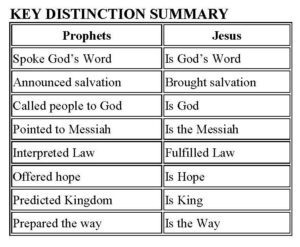
The Church teaches that Jesus is not merely a prophet but the fullness of prophecy. CCC 65 states: “Christ, the Son of God made man, is the Father’s one, perfect, and unsurpassable Word.” He fulfills the offices of Prophet, Priest, and King. As Prophet, He does not merely speak God’s Word—He is the Word (Jn 1:1).
Connection to Jesus, Mary, or Salvation History
All prophets prepared the way for Christ. Jesus did not replace prophecy—He completed it. Moses foreshadowed Him (Deut 18:15), Elijah prefigured His power, and Jeremiah mirrored His suffering. Mary herself proclaimed this fulfillment: “He has spoken through the mouth of His holy prophets from of old” (Lk 1:70).
Typology and New Testament Fulfillment
Jesus is the ultimate Prophet. Moses spoke God’s word; Jesus is God’s Word. Elijah performed miracles; Jesus commands nature. Jeremiah wept for Israel; Jesus redeems the world. He is not one voice among many—He is the final and eternal Word.
JESUS VS. THE PROPHETS – COMPARATIVE CHART
What Makes Jesus Unique
Jesus did not merely announce God’s will—He embodied it. He did not predict salvation—He accomplished it. No prophet said, “I am the Way” (Jn 14:6) or “Before Abraham was, I AM” (Jn 8:58).
Strengths and Virtues
Perfect obedience, absolute truthfulness, compassion for sinners, courage before authorities, faithfulness unto death.
Weaknesses, Failures, or Sins
None. Jesus is sinless (Heb 4:15; 1 Pet 2:22).
Lessons for Christian Leadership and Witnessing
Speak truth with love, remain faithful under persecution, call others to repentance, live what you preach, trust God’s promises.
Reflection
People saw Jesus as John, Elijah, or Jeremiah because He bore the marks of true prophecy—truth, courage, suffering, compassion, and divine authority. Yet He was far more than any prophet. Jesus fulfills every longing expressed by the prophets. He is the Word they proclaimed, the justice they demanded, and the salvation they foresaw. When we follow Christ, we inherit the prophetic mission: to speak truth, live holiness, defend the weak, and proclaim hope.
Prayer
Lord Jesus Christ, You are the Word made flesh, the fulfillment of every promise, and the voice of God among us. Give us hearts that listen, lips that speak truth, and lives that reflect Your love. Make us faithful witnesses of Your Gospel in a world longing for hope. Amen.